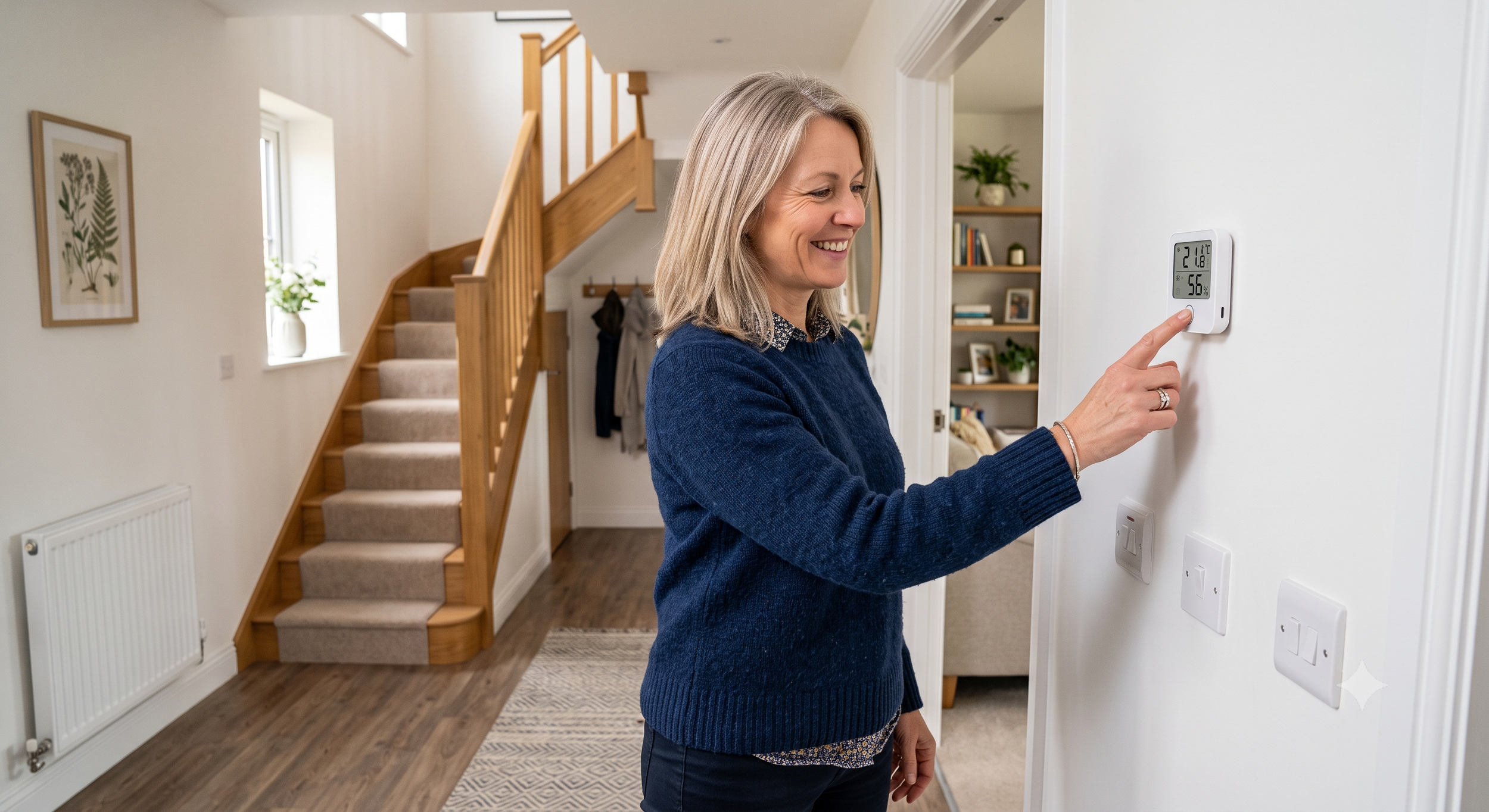
Temperature and Humidity
Why use temperature and humidity sensors?
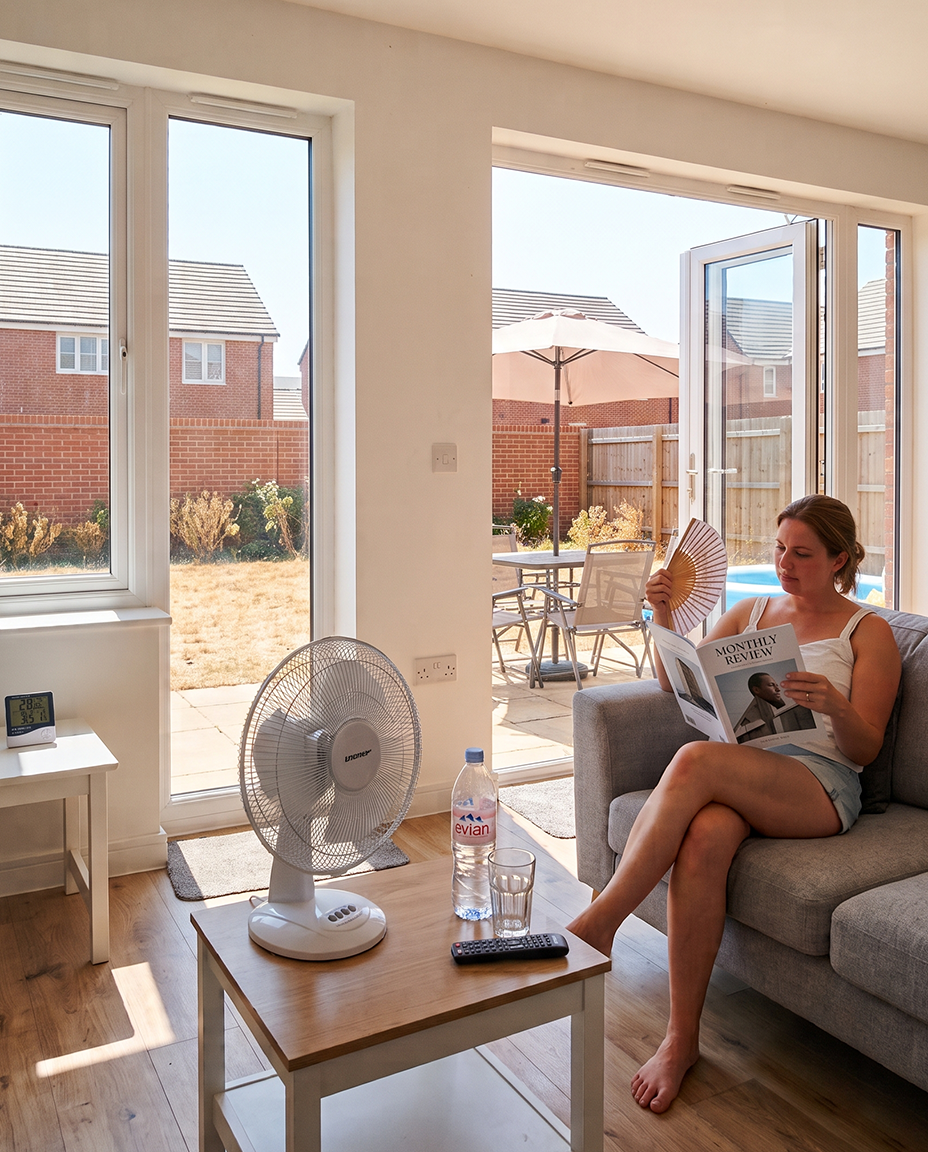
The weather in the UK, and particularly the South-East, is becoming increasingly unpredictable and experiencing atmospheric extremes.
From sudden winter cold snaps to intense, humid summer heatwaves, our homes are facing challenges they were never designed and built for.
Discreet smart temperature and humidity sensors allow the tracking of exactly what is happening in every room in your house over time and how it responds.
By understanding how a home reacts to the changing seasons, we can plan to make our living spaces comfortable, reducing the health effects that come with those changes, and making sure our properties are run in the most energy-efficient state possible.
Tracking the environment in every room
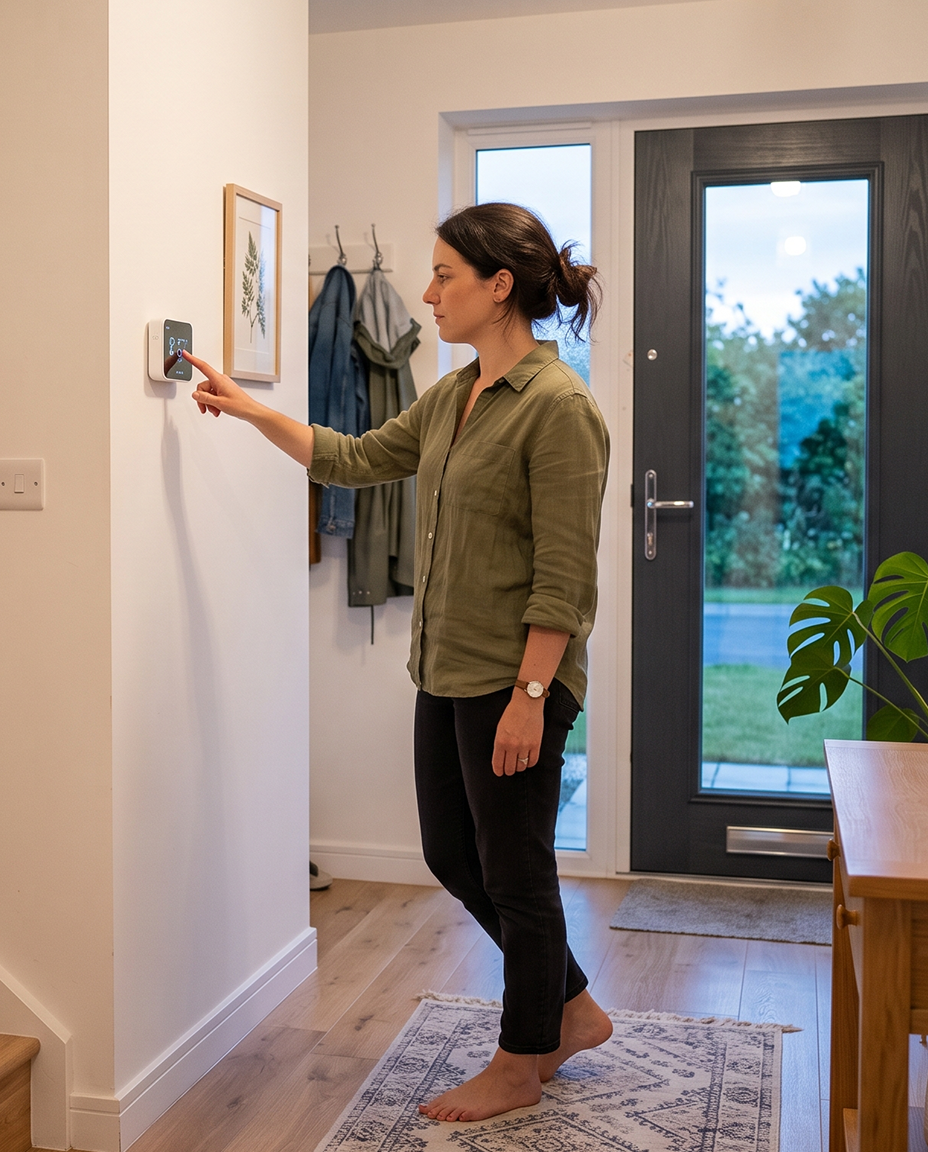
There are benefits to tracking the environment throughout your home. Knowing at what temperature and humidity you and your family are most comfortable gives you the means to do something about it.
It is also important to know what is happening in key areas of your home leading up to and throughout extreme weather events:
The newborn's nursery
A baby's room is the most important space in the house to monitor.
Newborns cannot regulate their body temperature the way adults do, making them highly sensitive to overheating or sudden drops in temperature.
A smart sensor in the nursery gives real-time readings and can instantly alert your smartphone if the room gets too hot or too cold, ensuring complete peace of mind through the night.
-
Balancing radiators to save money
Throughout our changeable winters, central heating can easily end up costing a lot of energy and money.Many of our homes have hot and cold spots because the radiators throughout the property are not properly balanced.
-
Thermostatic radiator valves (TRVs)
By placing sensors in different rooms, heat distribution can be tracked perfectly across the house. This data allows thermostatic radiator valves (TRVs) to be adjusted accurately, ensuring money isn't wasted overheating the hallway while the living room stays chilly.
Beating the humid UK heatwaves
As summers get hotter, the air in the UK often becomes incredibly humid. High humidity makes the heat feel much more oppressive because sweat cannot evaporate easily to cool the body down.
-
Managing dehumidifiers
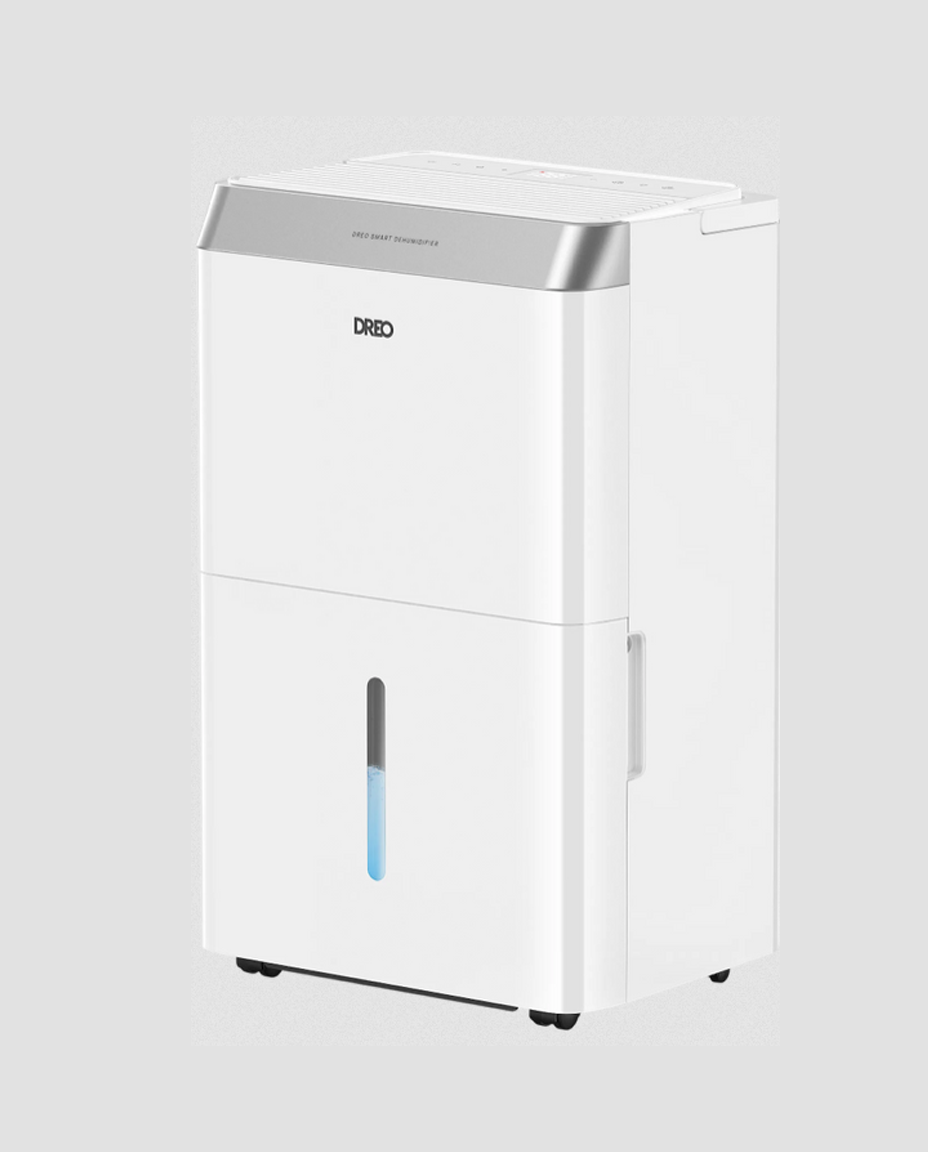
What have dehumidifiers got do to with managing your home's environment?
Running a dehumidifier during a humid heatwave pulls the heavy moisture out of the air. Even if the temperature stays the same, dry air feels significantly cooler, fresher, and more comfortable than damp air.
This is because the lower humidity content in the air allows your sweat to evaporate more efficiently, cooling you down more effectively.
This can help you to get through the summer without resorting to usually more expensive air conditioners.
-
Damp and mould
In the winter months, the prevention of damp and mould becomes very important. The same sensors that protect you in the summer months take on a second role in monitoring the humidity in the cold.If a room's humidity climbs past 60%, smartphone alerts can be sent, letting you know that it's time to turn on a dehumidifier or ventilate the room before damp and structural mould can take hold.
Master your home across all four seasons
| Season | What We Watch | The Goal |
|---|---|---|
| Spring | Fluctuating rain and sunshine | Finding the exact moment to switch off the heating for the year without causing damp. |
| Summer | Spikes in indoor humidity | Using dehumidifiers and strategic window opening to keep the air crisp and cool. |
| Autumn | Dropping temperatures, rising damp | Identifying cold spots early to prepare the home's insulation before winter hits. |
| Winter | Temperature drops and radiator balance | Running the heating system at maximum efficiency to keep energy bills as low as possible. |
Your personalized home setup
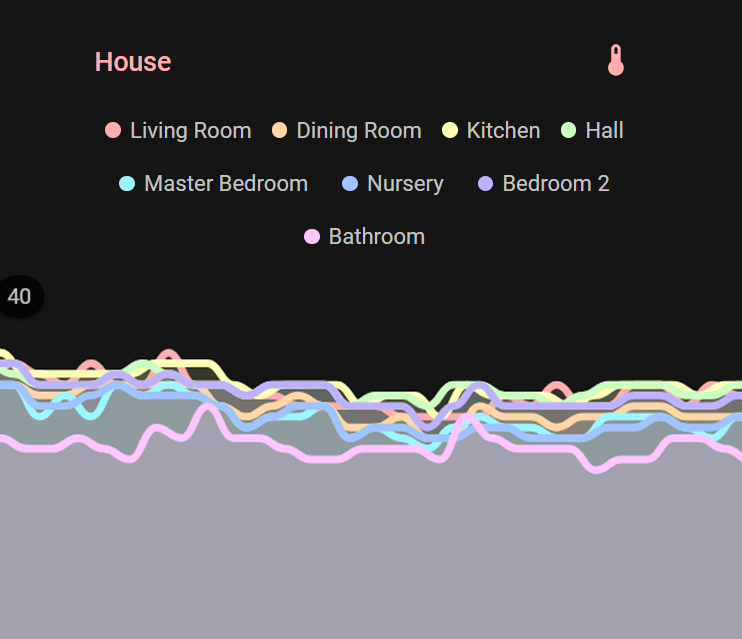 There is no need to be a data scientist to understand your home's climate.
However, the true power of a temperature and humidity sensor setup is in conjunction with a smart home hub.
These tiny devices (essentially, small computers with Windows-like operating systems) run silently and cheaply in the background, monitoring your home's data over time.
The power comes in being able to have alerts set up for whatever conditions you are interested in. Temperature thresholds breached in critical rooms like the nursery, or humidity spikes in the en-suite bathroom.
These tiny, elegant sensors will be personally placed in key zones of your house and linked and configured either in an app, or in a smart home hub.
The temperature and humidity sensors will now be ready to reveal long-term patterns of your home environment and deliver simple, actionable alerts directly to the palm of your hand.
Don’t lose your cool!
Contact us to learn about temperature and humidity