
Home Hub Controllers
The smarts of your smart home
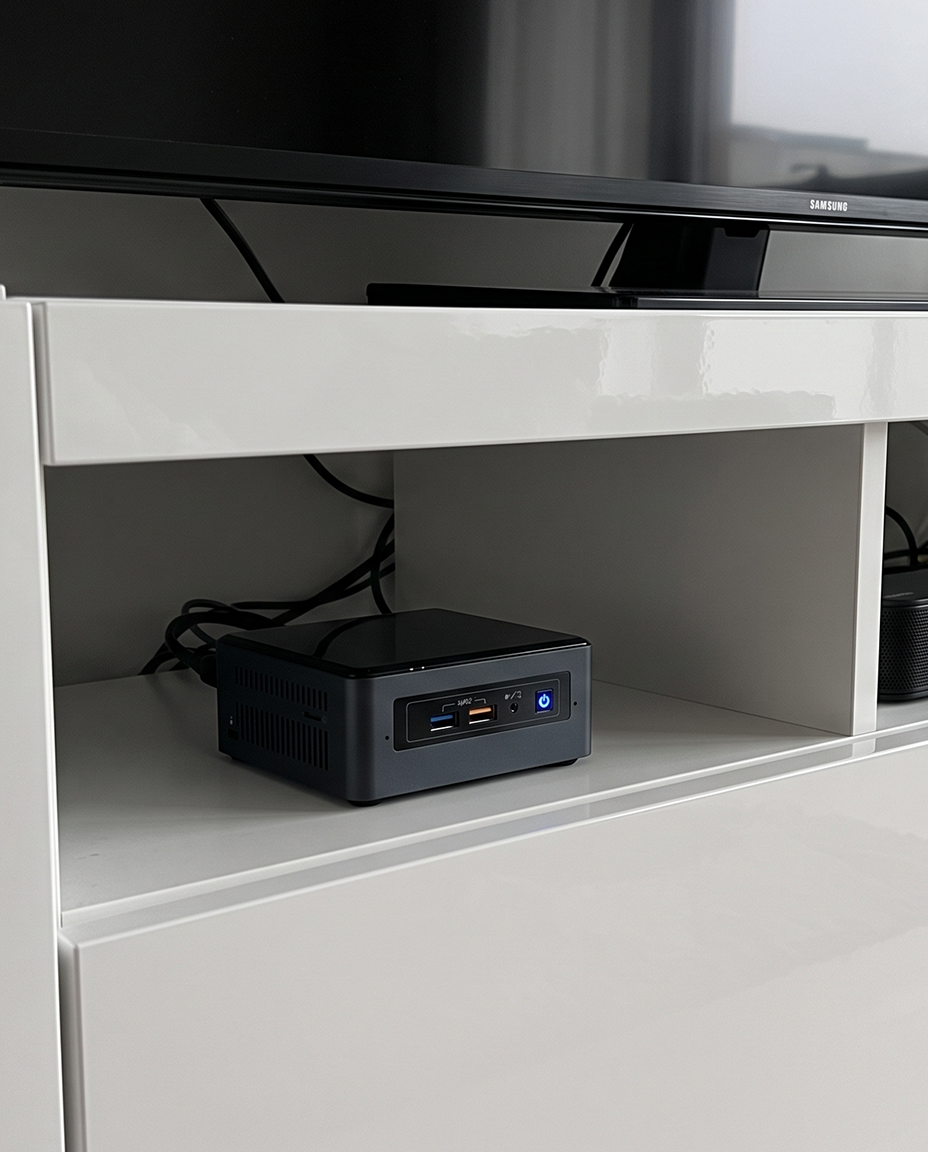
Investing in individual smart devices—like a camera, a light bulb, or a sensor—is a great start.
However, keeping them on separate apps creates an uncoordinated home.
The true magic happens when every single device is connected to a centralized Home Hub Controller.
By unifying all technology under a single system driven by Home Assistant, separate products stop acting as individuals and start working together as a highly intelligent, coordinated team.
10 Examples of the Power of an Integrated Home
When devices talk to each other through a central hub, the possibilities are endless.
Here is how combining different products creates an entirely new level of security, efficiency, and comfort:
- The Perimeter Lockdown: When an exterior motion sensor detects movement at night, it triggers outside floodlights to snap on, forces nearby cameras to record, sounds an internal chime, and sends an urgent video alert to your phone.
- The Active Intruder Deterrent: If a window sensor is breached while the house is armed, the central hub instantly blasts an audible siren, flashes all internal smart lights red, and automatically rolls down all motorized smart blinds to trap the intruder outside or secure the property.
- The Heatwave Shield: When temperature sensors inside a room cross 24°C during a summer heatwave, the hub proactively commands motorized smart blinds to close to block out solar radiation, keeping the interior naturally cool.
- The Energy Saver: If a window sensor registers as "open" for more than two minutes, the hub immediately shuts off the smart radiator thermostat (TRV) in that specific room to prevent expensive heat from escaping outside.
- The Gentle Wake-Up Routine: At a scheduled morning time, the hub slowly glides open the smart blinds by 20% while gradually brightening the bedroom lights over 15 minutes, mimicking a natural sunrise for a peaceful morning.
- The Safe Midnight Pathway: If a motion sensor detects someone stepping out of bed between midnight and 5:00 AM, the hub bypasses harsh main lights and gently illuminates low-level hallway and bathroom lights at just 10% brightness to guide the way safely.
- The "Welcome Home" Entrance: Using secure smartphone location tracking, the hub detects when a vehicle pulls into the driveway after dark, automatically turning on the driveway floodlights, unlocking the smart front door, and illuminating the hallway.
- The Vacuum Departure: The moment the house is empty and the alarm system is armed, the hub automatically deploys the robot vacuum cleaner to mop and sweep, ensuring the chores happen entirely out of sight and sound.
- The Active Holiday Simulation: While the household is away on vacation, the hub cross-references local sunset times to close the smart blinds and subtly flickers randomized smart lights and TV simulators, making the house look perfectly occupied from the street.
- The Appliance Safety Net: If a humidity sensor detects a rapid drop in air moisture or a smart plug senses a device has been left drawing high power for too long, the hub cuts power to the socket automatically and issues a smartphone warning to prevent electrical hazards.
Home Assistant: The Free Smart Platform
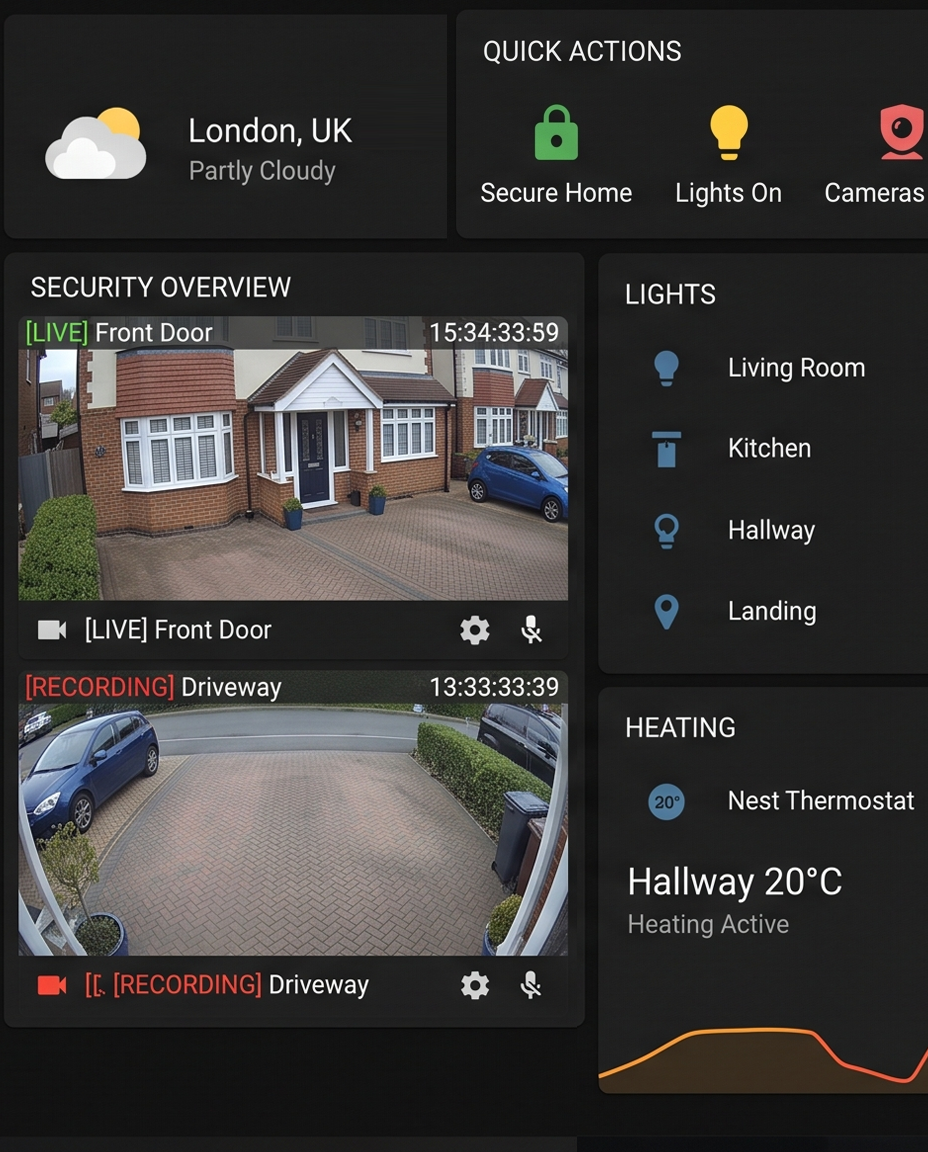
To drive this level of advanced automation, the platform of choice is Home Assistant.
It is widely recognized as the most powerful, secure, and flexible smart home software in the world.
Zero Software Costs, Maximum Savings
Home Assistant is completely open-source and backed by a massive global community of developers.
Because the software itself costs zero pounds, there are no monthly subscriptions, hidden cloud fees, or recurring software charges.
Every penny of these savings is passed directly to the customer—charges apply strictly for the physical hardware and the professional installation, configuration, and testing service.
Low-Power, 24/7 Reliability
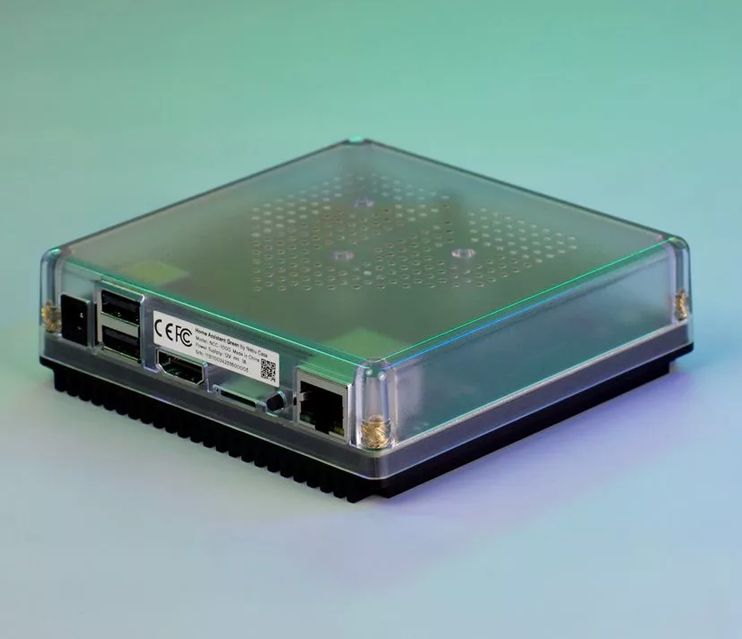
The entire system runs locally inside the property on ultra-efficient hardware like a Raspberry Pi or a dedicated Mini PC. These devices are specifically engineered for continuous, long-term operation:
Running on tiny amounts of electricity, these micro-computers cost just a few pounds per year to run continuously.
Always-On Protection
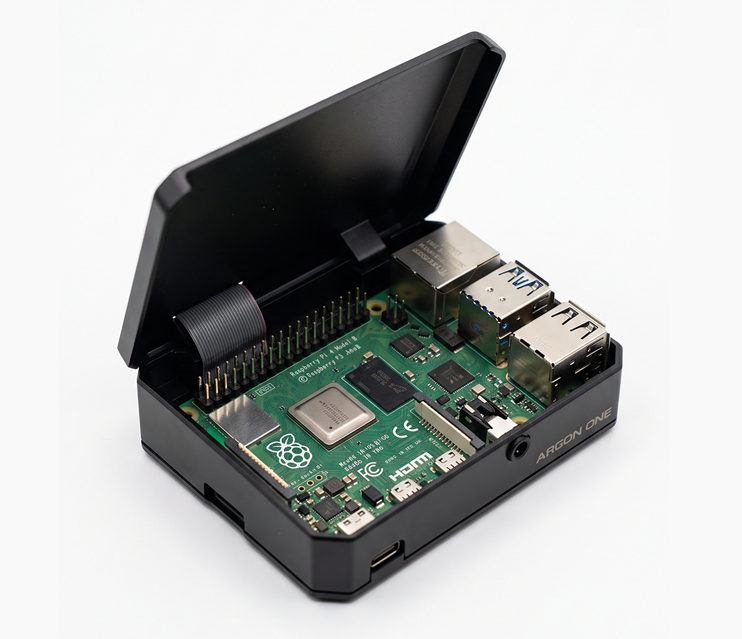 Because it is designed to be left powered on 24/7 without overheating or slowing down, the home's brain is always awake, watching over the property day and night.
Local Privacy
Unlike standard commercial hubs that rely on internet servers to function, Home Assistant processes everything locally inside the house.
If the internet goes down, the schedules, sensors, and security automations keep working perfectly.
Setting up Home Assistant, flashing software onto a Mini PC, and writing the logic rules to make cameras talk to blinds can be incredibly complex.
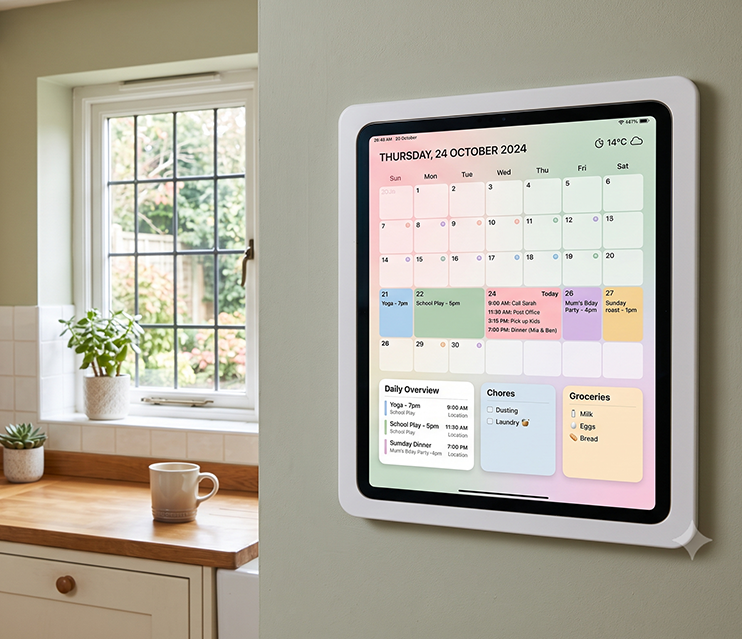
This service takes care of the entire backend framework. The hub will be supplied, fully programmed with custom automations, and a clean, beautifully simple dashboard built for a phone or tablet so the entire home can be managed with a single touch.
Time to connect?
Contact us to learn more about home hubs…